Snoring Treatment Options: How a Dentist Can Help You Sleep Better
Snoring is easy to joke about until it starts wrecking sleep, straining relationships, or leaving you exhausted every morning. For some people, it is an occasional annoyance after a long day, a glass of wine, or a bad allergy flare. For others, it is a nightly problem that sounds like a lawn mower in the bedroom and points to something more serious going on with breathing during sleep.
Many people are surprised to learn that a dentist can play an important role in snoring treatment. While snoring is often thought of as a problem for a primary care doctor or sleep specialist alone, dentists who work with oral appliance therapy can help patients breathe more freely at night with a custom-made device designed to keep the airway open. In the right case, that can mean quieter nights, better sleep quality, and less daytime fatigue.
If you have been wondering why snoring happens, when it crosses the line into a medical concern, and what alternatives exist beyond a CPAP machine, this guide will walk you through the basics in plain English.
What Causes Snoring?
Snoring happens when air has trouble moving smoothly through the mouth, nose, or throat during sleep. As airflow becomes restricted, the soft tissues in the upper airway vibrate. That vibration creates the harsh, rattling, buzzing, or rumbling sound people recognize as snoring. Sometimes it is soft and occasional. Sometimes it sounds like a freight train trying to get through a tunnel that is too narrow.
The airway can narrow for several reasons. The tongue may fall backward during sleep. The soft palate and tissues in the throat may relax too much. Nasal congestion can force someone to breathe through the mouth. In some cases, jaw position and oral anatomy make the airway more likely to collapse once the muscles fully relax at night.
Snoring is not one-size-fits-all, and that matters when choosing treatment. A person with seasonal allergies may snore for very different reasons than someone with a recessed jaw, enlarged tonsils, excess tissue in the throat, or undiagnosed obstructive sleep apnea. The sound may be similar, but the cause is not always the same.
That is why effective snoring treatment starts with understanding what is physically happening while you sleep, rather than just trying random products from the pharmacy aisle.
Common Lifestyle Factors That Make Snoring Worse
Lifestyle habits can have a surprisingly strong effect on snoring. Weight gain is one of the most common contributors. Extra tissue around the neck and throat can narrow the airway and increase the chance of vibration or collapse during sleep. Even a modest increase in weight can make a noticeable difference for some people.
Alcohol is another frequent trigger. It relaxes the muscles in the throat even more than normal sleep already does, which can make snoring louder and more frequent. Sedatives can have a similar effect. If snoring gets dramatically worse after drinking in the evening, that is often a clue that muscle relaxation is part of the problem.
Sleep position also matters. People often snore more when sleeping on their back because gravity encourages the tongue and soft tissues to fall backward toward the airway. Side sleeping may reduce snoring in some cases, though it is not a complete fix if the airway is significantly restricted.
Smoking and chronic nasal congestion can add fuel to the fire. Irritated airway tissues tend to swell, and swollen tissues create less space for airflow. Allergies, sinus issues, and a deviated septum may also force mouth breathing, which commonly worsens nighttime noise.
Poor sleep habits can make things worse too. When people are overtired, muscles may relax more deeply during sleep, which can increase snoring intensity. It is one of those frustrating loops where bad sleep contributes to louder snoring, and louder snoring contributes to even worse sleep.
When Is Snoring Just Snoring, and When Is It Sleep Apnea?
Not all snoring means sleep apnea, but loud, frequent snoring can be one of the most recognizable warning signs. Obstructive sleep apnea happens when the airway repeatedly becomes blocked during sleep, causing breathing to partially or fully stop for brief periods. These pauses may happen dozens or even hundreds of times a night.
The problem is that many people do not realize it is happening. They may think they are simply tired, stressed, or getting older. Meanwhile, a bed partner notices gasping, choking sounds, long pauses in breathing, or sudden snorts followed by resumed breathing. Those episodes are a red flag.
Other symptoms that may suggest sleep apnea include waking with a dry mouth, morning headaches, daytime sleepiness, trouble concentrating, irritability, memory problems, and feeling unrefreshed no matter how long you stayed in bed. Some people nod off during meetings, while reading, or at red lights and still do not connect those symptoms to a nighttime breathing disorder.
Sleep apnea is more than a noise issue. Left untreated, it has been linked to high blood pressure, cardiovascular strain, poor energy, and reduced quality of life. If snoring is paired with gasping, witnessed pauses in breathing, or significant daytime fatigue, it deserves a proper evaluation.
For a closer look at this connection, learn more about snoring and sleep apnea.
Why a Dentist May Be Part of the Solution
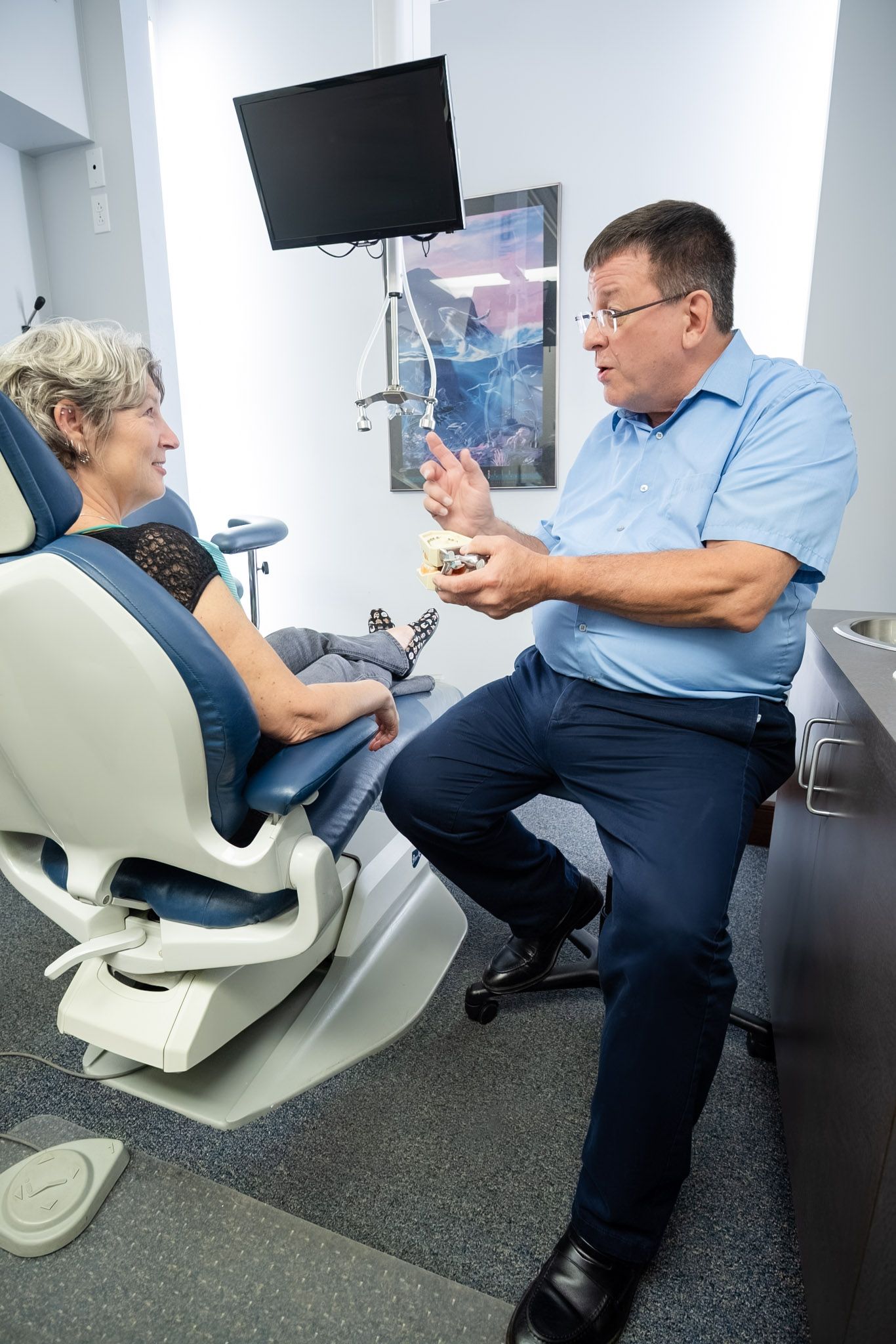
A dentist trained in oral appliance therapy can evaluate whether the position of the jaw, tongue, and oral structures may be contributing to nighttime airway blockage. This is where dentistry overlaps with sleep medicine in a very practical way. The mouth is not separate from the airway. It is part of the doorway.
Custom oral appliances are designed to gently reposition the lower jaw, tongue, or both so the airway stays more open during sleep. Think of it less like forcing the body into an unnatural position and more like moving one piece of a crowded hallway so air can pass through without hitting every wall on the way.
For patients with primary snoring or certain cases of mild to moderate obstructive sleep apnea, a dental appliance may be a comfortable and effective option. It is especially appealing for people who cannot tolerate CPAP or who want a less bulky treatment approach when clinically appropriate.
A dentist can also help identify oral health factors that matter before treatment begins. Jaw comfort, bite stability, gum health, existing dental work, and signs of teeth grinding all play a role in whether an oral appliance is likely to work well and fit comfortably.
What Is a Custom Oral Appliance?
A custom oral appliance is a small device worn in the mouth during sleep, usually similar in appearance to a retainer or sports mouthguard, though it is designed for a very different purpose. Rather than protecting the teeth from impact, it helps support a more open airway.
Most appliances used for snoring treatment work by moving the lower jaw slightly forward. That small shift can help reduce airway collapse in the throat and create more room for airflow. When the airway is less likely to narrow or close off, tissue vibration may decrease and breathing may become steadier.
This is very different from one-size-fits-all boil-and-bite devices sold online or in stores. A custom appliance is made to fit the patient’s teeth and bite precisely. That matters because comfort affects compliance. If a device feels clumsy, bulky, or painful, people stop wearing it. A well-made custom appliance is far more likely to become part of a realistic nightly routine.
For many patients, the biggest advantage is simplicity. There is no mask, no hose, and no machine humming on the nightstand. That does not mean it is the right answer for every person, but it is often a welcome option for people who want a non-CPAP approach and meet the right criteria.
Who May Benefit From Oral Appliance Therapy?
People with chronic snoring but no severe airway disorder may benefit from a dental appliance if the issue is related to jaw and airway positioning during sleep. It can also help some patients who have been diagnosed with mild to moderate obstructive sleep apnea, depending on their sleep study results, anatomy, and overall health picture.
It may be especially helpful for people who have tried CPAP and simply cannot get used to it. Some patients feel claustrophobic with a mask. Others struggle with air leaks, dry mouth, skin irritation, or the feeling that they are gearing up for a scuba expedition every time they go to bed. A custom oral appliance is often easier to travel with, easier to maintain, and easier to tolerate.
That said, oral appliance therapy is not a do-it-yourself shortcut. It should be guided by qualified professionals, often in coordination with a physician or sleep specialist. Severe sleep apnea may require CPAP or other medical treatment, and some patients need further testing before the right plan becomes clear.
What Happens During the Fitting Process?
The process usually begins with a consultation and screening. The dentist will ask about symptoms, sleep quality, snoring patterns, daytime fatigue, and any history of sleep apnea diagnosis or CPAP use. Oral health also matters, so the dentist will check the teeth, gums, jaw joints, and bite to make sure an appliance can be worn safely and comfortably.
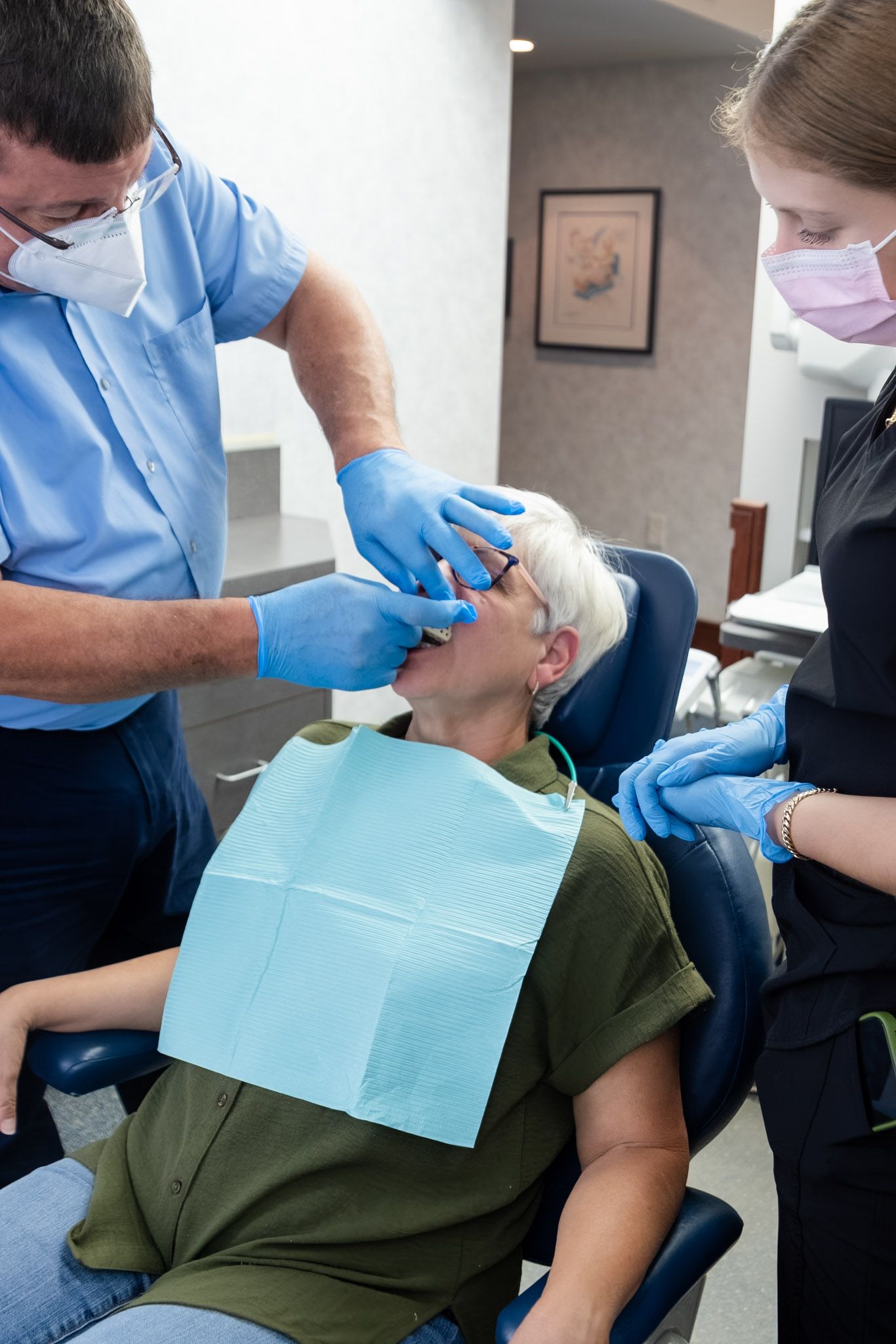
If oral appliance therapy is appropriate, the next step is taking detailed impressions or digital scans of the teeth. These records are used to create a custom-fitted device. Precision matters here. This is not the kind of thing that should fit “close enough.” A few millimeters can make the difference between something that feels secure and something that ends up in the nightstand drawer after three nights.
Once the appliance is ready, the patient returns for delivery and fitting. The dentist checks how it seats on the teeth, how the jaw is positioned, and whether any adjustments are needed. Patients are given instructions on how to insert it, remove it, clean it, and get used to sleeping with it.
Follow-up visits are an important part of the process. The appliance may need gradual adjustment to find the balance between airway support and jaw comfort. This is not unusual. It is more like tuning an instrument than flipping a switch. The goal is to improve breathing and reduce snoring while keeping the bite and jaw as comfortable as possible.
What Does It Feel Like to Sleep With a Dental Appliance?
Most patients need a short adjustment period. The first few nights may feel unfamiliar simply because there is something new in the mouth during sleep. Mild jaw tightness, increased saliva, or temporary awareness of the device can happen at first.
In many cases, that adaptation period passes fairly quickly. Once the appliance is adjusted properly and becomes part of the nightly routine, patients often find it much easier to manage than they expected. Partners may notice the change before the patient does because the room gets quieter long before anyone writes a dramatic sleep diary entry about it.
Comfort depends heavily on customization and follow-up care. A professionally fitted appliance should not feel like a crude wedge jammed between the teeth. It should feel secure, intentional, and wearable.
Other Ways to Support Snoring Treatment
Even when a dental appliance is the main treatment, lifestyle changes can improve results. Weight management can reduce pressure on the airway. Avoiding alcohol close to bedtime may lessen tissue relaxation. Treating allergies or nasal congestion can improve airflow through the nose.
Changing sleep position may also help. Some patients snore far less when they sleep on their side rather than on their back. Good sleep hygiene matters too. A consistent sleep schedule, enough rest, and reduced evening sedative use can all support healthier breathing patterns.
The most effective plan is often layered rather than all-or-nothing. A custom oral appliance may do the heavy lifting, but small changes in habits can make the treatment work better and help patients feel more in control of their sleep.
When Should You See a Dentist About Snoring?
If snoring is frequent, loud, disruptive, or tied to poor sleep quality, it is worth discussing with a professional. You should also seek evaluation if a partner notices pauses in breathing, gasping, or choking during sleep, or if you are waking tired despite spending enough time in bed.
It is also smart to ask about treatment if you have already been diagnosed with sleep apnea and are struggling with CPAP. Many patients assume their only choices are to suffer through a machine they hate or do nothing. That is not always true. In appropriate cases, a dental oral appliance may offer a more comfortable path forward.
For patients in and around Bethlehem, having access to a dentist who understands both oral health and airway-related sleep concerns can make the process feel far less overwhelming. Instead of guessing your way through snoring remedies, you can get a more targeted evaluation based on how your mouth, jaw, and airway actually function.
Better Sleep Can Start With the Right Diagnosis
Snoring is common, but common does not always mean harmless. Sometimes it is a simple airflow issue made worse by sleep position or congestion. Sometimes it is the first visible crack in a bigger problem like obstructive sleep apnea. The key is not to ignore it just because it happens in the dark.
The good news is that treatment has come a long way. If CPAP feels intimidating or impossible, a custom dental oral appliance may provide a practical, comfortable alternative for the right patient. It is small, personalized, and designed around the way your mouth actually fits together, not the way a generic device hopes it might.
If your nights are noisy, your mornings are foggy, or your partner has reached the end of their patience, it may be time to stop thinking of snoring as just an annoying habit. In many cases, the right dental guidance can help turn restless, broken sleep into something quieter, healthier, and far more restorative.
Recent Posts