How to Know If You Need a Dental Crown
A tooth rarely fails all at once. More often, it sends signals first: a sharp twinge when you bite into something crunchy, a darkening tooth after trauma, a filling that keeps breaking down, or a crack that seems small but changes how you chew. Knowing the signs you need a dental crown can help you protect a damaged tooth before it turns into a bigger, more painful, and more expensive problem.
At Always About Smiles, we see many patients from Bethlehem, Allentown, Easton, and surrounding communities who assume they can “wait and see” with a weak tooth. Sometimes that works for a short period. Often, it doesn’t. A dental crown is designed to strengthen and protect a tooth when a simple filling is no longer enough. If you have pain, visible damage, or a tooth that just does not feel right, it may be time to find out whether you need a dental crown.
What Is a Dental Crown?
A dental crown is a custom-made restoration that covers the visible part of a tooth above the gumline. Think of it as a protective helmet for a tooth that has been weakened, cracked, heavily filled, worn down, or structurally compromised. Instead of patching one small area, a crown covers the entire tooth surface that shows above the gums and helps restore the tooth’s shape, strength, and function.
A dental crown can also improve the appearance of a tooth. In some cases, patients come in with aesthetic concerns involving misshapen, worn, or badly discolored teeth. In others, the issue is more urgent: pain, instability, or a tooth at risk of breaking. Because a crown protects the tooth’s structure, it often plays both a cosmetic and restorative role at the same time.
Why a Crown May Be Better Than a Filling
A filling works well when damage is relatively limited. But once a tooth has significant decay, major structural loss, or old large fillings taking up too much space, the remaining natural tooth can behave like a thin shell. It may look serviceable from the outside, but under chewing pressure it can flex, crack, and fail.
That is where a dental crown becomes important. Instead of repairing one spot, crowns combine support, protection, and coverage. They help reinforce a weakened tooth, reduce the risk of further damage, and restore function in a way a simple filling often cannot. If your dentist tells you a filling will not hold up long term, that is one of the most practical common signs you may need a crown.
Signs You Need a Dental Crown
Some teeth practically announce the problem. Others whisper. The challenge is knowing which symptoms matter. The most reliable signs you need a dental crown usually involve structural weakness, ongoing discomfort, or visible changes in the tooth.
If you notice persistent pain, sensitivity, visible cracks, repeated filling failure, or a tooth that feels weak when chewing, do not ignore it. These are not random annoyances. They are often warning signs that the tooth needs more than a minor repair. Below are the most common signs you need a dental crown and why they matter.
You Have a Cracked Tooth or Visible Cracks
A cracked tooth is one of the clearest signs you need a dental crown. Tiny craze lines may be harmless, but deeper visible cracks are different. When a crack extends into the tooth, chewing forces can cause the damaged sections to flex apart slightly, almost like a split branch under pressure. That movement can trigger pain and lead to further damage.
Patients with cracked or fractured teeth often describe discomfort when biting and then releasing pressure. Others notice sensitivity to sweets or cold temperatures. In many cases, a dental crown helps hold the tooth together and protect the remaining tooth enamel and inner structure. With cracked or fractured teeth, quick treatment matters because delay can turn a restorable tooth into one that needs extraction.
Your Tooth Is Broken, Chipped, or Structurally Weak
A broken tooth does not always look dramatic. Sometimes it is a large chip on the edge of a front tooth. Other times, the damage is on the chewing surface of the back teeth, where it is less visible but more dangerous because of constant bite pressure. If a tooth has lost enough structure, the issue is not just appearance. It is mechanical failure waiting to happen.
A dental crown is often recommended for damaged teeth that can no longer safely handle normal biting forces. This is especially true if the remaining tooth is a weak tooth, if a cusp has broken off, or if the tooth hurts with hard foods. For many patients, one of the biggest signs you need a dental crown is simply this: the tooth no longer feels dependable.
You Have Large Fillings That Keep Failing
Old large fillings can weaken the surrounding tooth over time. Imagine replacing too much of a wall with patch material and leaving only thin framing around it. The patch may hold for a while, but the original structure becomes more vulnerable. The same thing happens with a tooth that has been filled repeatedly.
If a filling falls out, leaks, cracks, or keeps needing repair, you may need a dental crown instead. A crown covers and supports the remaining natural tooth rather than asking fragile tooth walls to keep carrying the load. This is one of the most overlooked signs you need a dental crown, especially in molars that absorb heavy chewing forces every day.
You Have Severe Decay or Recurrent Decay
When decay becomes extensive, a filling may not be enough to rebuild the tooth predictably. Severe tooth decay can hollow out the inside of a tooth, leaving the visible outer shell thinner and weaker than it appears. Even if the tooth is not currently broken, its tooth’s structure may already be compromised.
A dental crown is commonly used after significant decay removal because it provides a durable protective layer over the remaining tooth. It helps reduce the chance of fracture and can seal and protect a treated tooth after restorative care. If your dentist says the cavity is too large for a routine filling, that is a strong sign you may need a dental crown.
You Had a Root Canal
After a root canal, the tooth often needs extra protection. A tooth that has undergone root canal treatment or root canal therapy may have less internal moisture and less remaining structure, especially if decay or infection removed a significant amount of tissue beforehand. The result is a tooth that can become more brittle over time.
That is why a dental crown is frequently recommended after a root canal. In many cases, especially for molars and premolars, the crown helps protect the tooth from splitting under pressure. If you have had a root canal, ask whether your tooth needs a permanent crown. Waiting too long after a root canal can increase the risk of fracture, and then the treatment you already invested in may be lost.
Your Tooth Hurts When You Bite or Chew
Pain when chewing is one of the classic signs you need a dental crown. The discomfort may feel sharp, sudden, or oddly specific, like pain only when biting on one corner of the tooth. That kind of pain can point to cracks, unstable old fillings, hidden decay, or a compromised tooth’s structure.
If you feel pain when chewing steak, nuts, crusty bread, or other hard foods, the tooth may be flexing under pressure. A crown procedure may be recommended to stabilize the tooth and prevent further damage. Pain does not always mean you need a root canal, but it does mean the tooth deserves prompt evaluation by a dentist.
You Have Sensitivity That Is Getting Worse
Some sensitivity is temporary. But ongoing or increased sensitivity to heat, sweets, or cold temperatures may signal a deeper problem. A cracked filling, exposed dentin, enamel loss, or a small fracture can all make a tooth increasingly reactive.
When sensitivity is tied to structural weakness, a dental crown can help by covering the tooth with a new external surface and reducing exposure to triggers. If the tooth is badly compromised, your dentist may also evaluate whether a root canal is needed first. Sensitivity alone does not always mean you need a dental crown, but when it appears alongside cracks, pain, or extensive restoration, it often becomes one of the key signs you need a dental crown.
Your Teeth Are Worn Down From Grinding
Teeth grinding can slowly flatten and shorten teeth until they lose their natural shape and strength. It is like sandpaper used night after night. Patients may not realize they grind until they wake up with jaw pain, headaches, or notice teeth that look worn down. In more advanced cases, one or more teeth become so worn down that the bite changes.
A dental crown may be used to rebuild severely worn down teeth and protect them from additional breakdown. For patients with bruxism, crown placement is often paired with a nightguard to protect both the new crown and the surrounding teeth. If your teeth look shorter, flatter, or chipped and you also have jaw pain, those are important dental concerns to discuss with your dentist.
Your Tooth Looks Dark, Severely Stained, or Misshapen
Not every crown is placed because of pain. Sometimes the issue is appearance, but appearance can still point to underlying damage. A tooth that is dark after trauma, severely stained, or one of several severely discolored teeth may not respond well to whitening. In those cases, a dental crown can restore both color and shape.
This can be especially relevant for front teeth, where even small defects stand out. A well-designed custom crown can be color matched to nearby teeth for a highly natural appearance. If you have cosmetic concerns or aesthetic concerns about a tooth that is also weakened or previously treated, your dentist may recommend a crown instead of a veneer or bonding.
You Need to Restore a Tooth After Major Damage
Some teeth have survived trauma, old dentistry, or years of wear but are hanging on by a thread. In these cases, restoring damaged teeth requires more than a patch. The goal is to create a stable, functional tooth that can handle daily life without constant fear of breaking.
A dental crown is often the best option for damaged teeth with significant structural loss. It can support a treated tooth, restore the shape of the bite, and protect against further damage. If your tooth feels fragile, uneven, or unreliable, that may be one of the clearest signs you need a dental crown.
Types of Dental Crowns
There is no one-size-fits-all crown. The right material depends on the tooth’s location, your bite, appearance goals, and any specific dental issues such as clenching or allergies. Your dentist will help you choose a material that balances strength and appearance.
Common options include porcelain crowns, metal crowns, and porcelain fused to metal restorations. Some patients are also candidates for zirconia crowns, which are made from zirconium dioxide and known for strength and exceptional durability. If you have metal allergies, that may affect which material is best for your case.
Porcelain, Metal, and Zirconia Crowns
Porcelain crowns are popular because they blend beautifully with natural teeth and work especially well for visible areas like the front teeth. They can provide a very lifelike finish and strong cosmetic results when the goal is to improve appearance while also protecting the tooth.
Metal crowns can be highly durable and may be recommended for some back teeth, where strength matters most and visibility is less of a concern. Porcelain fused to metal crowns offer a blend of strength and esthetics, while zirconia crowns provide another strong, tooth-colored option. The best choice depends on the tooth, your bite, and your long-term goals for oral health.
What Happens During the Crown Procedure?
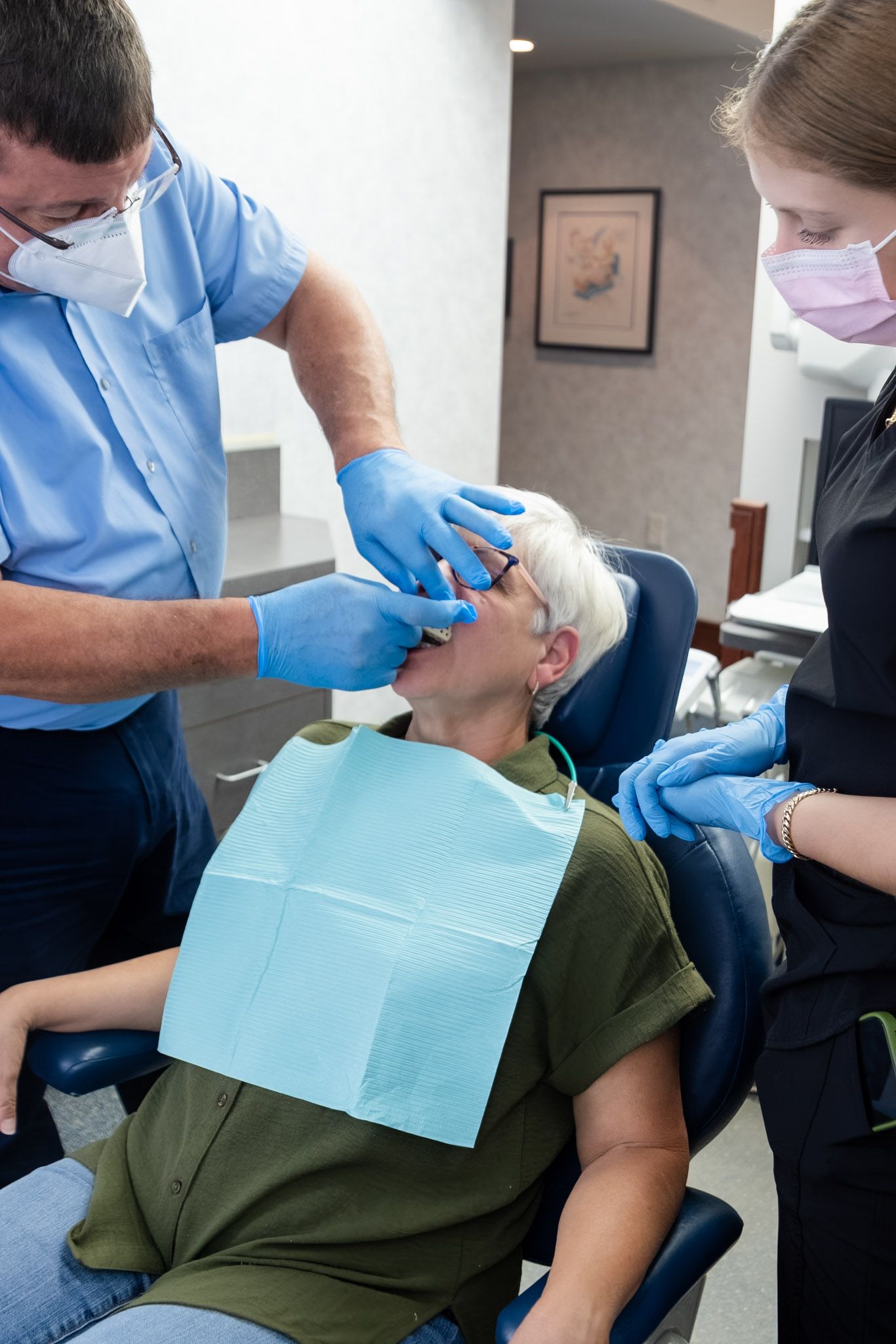
The crown procedure usually takes two visits unless same-day technology is available. First comes the exam and tooth preparation. The tooth is reshaped so the crown can fit properly, and any weakened or decayed areas are removed. If needed, your dentist may use local anesthesia to keep you comfortable.
After tooth preparation, impressions or digital scans are taken so the custom crown can be custom made for your bite and smile. A temporary crown is typically placed to protect the tooth while the final restoration is being made. At the second visit, the temporary crown is removed and the final crown or permanent crown is bonded into place. Proper crown placement is important because the fit affects comfort, function, and the health of the surrounding gums.
What to Expect After Crown Placement
After crown placement, it is normal to need a short adjustment period. Your bite may feel slightly different at first, and the tooth may be mildly sensitive for a few days. Most patients adapt quickly, especially when the bite is properly balanced against the opposing teeth.
Your new crown should feel secure and natural once everything settles. If the new crown feels high, catches food excessively, or causes discomfort, contact your dentist. Small bite adjustments can make a major difference. With the right fit, a new crown can restore comfort, chewing ability, and confidence.
How Long Does a Dental Crown Last?
A crown is durable, but it is not indestructible. The lifespan depends on the material used, where the crown is placed, your bite habits, and how well you care for it. Patients who clench, chew ice, or use their teeth like tools tend to shorten the life of a restoration.
With proper care, many crowns last for years. Good home care, avoiding destructive habits, and regular dental visits all help. Even though the crown itself cannot get a cavity the way a natural tooth can, the tooth underneath can still develop decay around the edges if plaque is allowed to build up.
Caring for Your Crown and Your Oral Health
Protecting a new crown starts with the same habits that protect the rest of your smile: brushing, flossing, and good oral hygiene. Keeping the gumline clean matters because bacteria can still affect the underlying tooth and surrounding tissues. Your long-term oral health still depends on what happens around the crown, not just the crown itself.
Regular checkups and routine cleanings also matter. Your dentist can monitor the fit of the crown, check for wear, and catch small issues before they become major dental issues. With proper care, a crown can be a reliable part of your smile for a long time.
When a Crown May Not Be the Right Choice
A crown is incredibly useful, but it is not the solution for every problem. If a tooth is too badly broken below the gumline, has advanced bone loss, or has split in a way that cannot be repaired, extraction may be the better option. In some cases of tooth loss or a non-restorable missing tooth, an implant or bridge may be recommended instead.
That is why diagnosis matters. Not every painful tooth needs a crown, and not every damaged tooth can be saved with one. The key is getting an honest evaluation from a skilled dentist who can explain your options clearly and help protect your overall dental health.
When to See a Dentist in Bethlehem, PA
If you have any of these signs you need a dental crown, do not wait for the tooth to break on a Friday night or during dinner. Teeth have a talent for choosing the worst possible timing. A small crack can become a major fracture, and a manageable restoration can turn into a root canal or extraction if postponed too long.
At Always About Smiles, we help patients in Bethlehem, PA identify the cause of pain, assess dental concerns, and recommend treatment that protects both comfort and long-term oral health. If you think you may need a dental crown, or if you are dealing with damaged teeth, decay, sensitivity, or a tooth that feels worn down, scheduling an evaluation now can help you avoid bigger problems later.
Final Thoughts on Signs You Need a Dental Crown
The most important signs you need a dental crown are not always dramatic. Sometimes it is a tooth with old large fillings. Sometimes it is a molar that hurts when chewing. Sometimes it is a dark tooth after a root canal, or a tooth that has become worn down from grinding. In each case, the message is the same: the tooth needs more support than a simple repair can provide.
A well-made dental crown protects the tooth, restores function, and can make your smile look natural again. If you are noticing the common signs discussed above and think you may need a dental crown, the best next step is a professional exam. Catching the problem early can mean the difference between preserving your tooth and losing it.
If you are in Bethlehem or the surrounding area and have questions about a dental crown, root canal treatment, or other restorative options, the team at Always About Smiles is here to help.
Recent Posts