Can Grinding Your Teeth Cause Cavities Over Time?
Have you found yourself waking up with jaw pain, headaches, or tooth sensitivity? Many people experience these symptoms, often unaware that teeth grinding, also known as bruxism, could be the underlying cause. Teeth grinding affects more than dental health; it can change jaw muscles, alter facial appearance, and cause tooth wear, sensitivity, and TMJ disorders.
Beyond discomfort, a big question is: Can grinding teeth cause cavities? Let’s explore how grinding your teeth affects your oral health, why enamel matters, and what you can do to reduce teeth grinding and prevent further damage.
What Is Teeth Grinding (Bruxism) and Why Does It Occur?
Bruxism is a condition where a person grinds their teeth or clenches their jaw, often occurring while they are asleep. It can be caused by factors such as stress, anxiety, sleep problems, irregular bite, or teeth that aren’t properly aligned. Certain medications or medical conditions may also contribute to grinding.
Children, teens, and adults can all grind their teeth, with children’s dental visits sometimes revealing issues in younger patients.
Common Symptoms
People who grind their teeth might not notice until symptoms appear, such as:
- Jaw pain, headaches, or facial pain
- Chronic pain in the temples, ears, or cheeks
- Tooth sensitivity or increased tooth sensitivity
- Significant wear on the biting surfaces of teeth
- Gum recession
- Jaw muscles that feel sore or fatigued
- Tooth fractures, chipped teeth, or damaged dental work
- TMJ disorder (temporomandibular joint problems)
- Difficulty sleeping or other sleep disorders
- Restorative dentistry procedures need frequent repairs
Because untreated bruxism can lead to a variety of oral health problems, it’s important to recognize the symptoms early.
Can Teeth Grinding Cause Cavities?
While grinding your teeth does not directly cause cavities, it does set the stage for them by weakening the tooth enamel. Here’s how bruxism can increase the risk of cavities and other oral health issues:
- Enamel Erosion. Grinding removes minerals from the enamel, the tooth’s first line of defense against bacteria.
- Micro-Cracks and Chips. These tiny fissures provide hiding places for bacteria to multiply, making it harder to prevent cavities.
- Damage Caused by Excessive Force. Excessive force from grinding can also compromise existing dental work.
- Increased Tooth Sensitivity. Eroded enamel leads to heightened sensitivity, which may discourage proper brushing and flossing.
- Gum Recession and Further Damage. Repetitive pressure worsens the risk of gum recession and exposes tooth roots, which are even more vulnerable to decay.
- Restorative Dentistry Complications. Fillings and crowns can sometimes crack or become loose, which may leave sensitive areas exposed.
In short, grinding doesn’t cause cavities directly, but damaged enamel makes it much easier for cavities to take hold.
Other Health Problems Associated With Teeth Grinding
Beyond cavities, bruxism can damage teeth and gums in various ways:
- Jaw muscle pain and tension
- TMJ disorder, affecting the temporomandibular joint
- Tooth sensitivity and tooth fractures
- Facial pain and neck discomfort
- Difficulty chewing or opening the mouth fully
- Chronic sleep disruptions due to grinding sounds
- Worsening of other oral health problems or even systemic health problems if left untreated
Grinding can even impact your overall health, linking to headaches, poor sleep, and increased anxiety levels.
Why Is Prompt Action Important?
Untreated bruxism can lead to irreversible damage, including significant wear on the teeth, recurring tooth decay, and complications with the jaw joint (TMJ). In severe cases, teeth may become loose or require extraction.
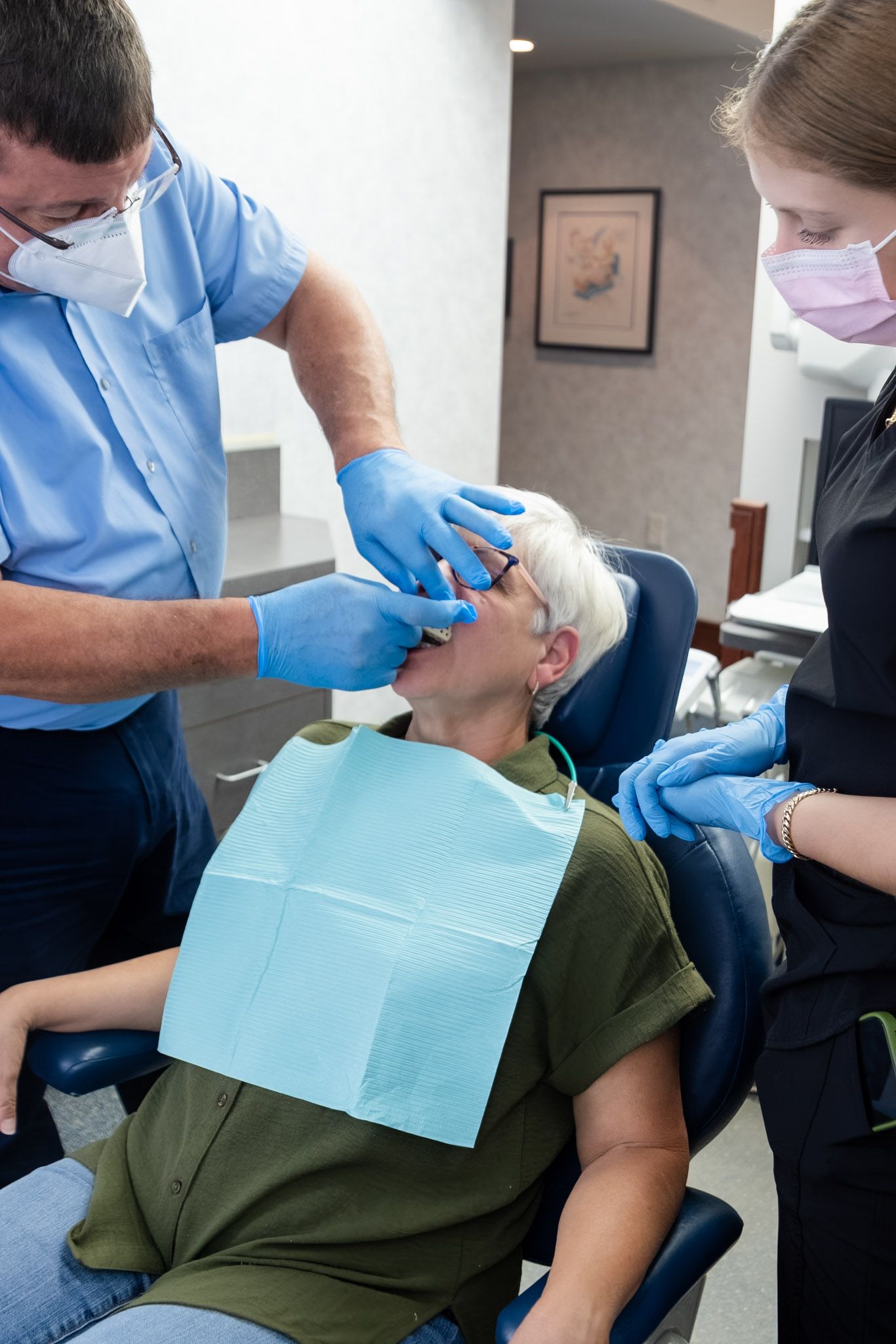
A dental exam at your local dental office can catch early signs of bruxism, including subtle wear, changes to your bite, or signs of an abnormal bite.
How Do Dentists Diagnose and Treat Bruxism?
Diagnosing bruxism often starts with:
- A thorough dental exam to check for wear, fractures, or alignment issues.
- Questions about your sleep habits, stress, and symptoms.
- In some instances, referral to a sleep specialist if a sleep disorder is suspected.
Treatment plans can include:
Night Guards
Custom night guards are designed to protect your teeth from further damage while you sleep. They act as a barrier, reducing the impact of grinding and preventing enamel wear.
Addressing the Root Cause
Managing stress, correcting misaligned teeth, or adjusting certain medications can help reduce teeth grinding. Treating these underlying factors is essential for long-term relief.
Restorative Dentistry
Restorative procedures such as fillings, crowns, or onlays repair damaged or worn teeth caused by grinding. These treatments help restore function and appearance.
Physical Therapy
Physical therapy and specific exercises can relax and strengthen jaw muscles. This approach can alleviate tension and reduce the frequency of grinding episodes.
A comprehensive solution often involves a combination of approaches to tackle both the symptoms and the underlying causes.
How to Reduce Teeth Grinding?
Here are steps you can take to manage or reduce teeth grinding and protect your teeth from further damage:
- Maintain Proper Oral Hygiene. Brush your teeth two times a day, floss every day, and use fluoride to help guard your teeth from cavities and harmful bacteria.
- Schedule Regular Dental Check-Ups. Early detection and prompt intervention can significantly impact your long-term oral health.
- Wear a Night Guard. Talk to your dentist to find out if a custom mouth guard is suitable for you.
- Manage Anxiety and Stress. Techniques such as meditation, exercise, or counseling can be helpful.
- Correct Abnormal Bite or Misaligned Teeth. Orthodontic treatments may be recommended.
- Treat Underlying Health Conditions. Address sleep disorders or seek care for accompanying medical issues.
- Monitor Children and Teens. If you think your child might be grinding their teeth, it’s a good idea to talk to your dentist.
Discover a Solution for Teeth Grinding: Contact Always About Smiles Today!
While grinding your teeth doesn’t cause cavities outright, it weakens the protective enamel and sets the stage for tooth decay and other oral health issues. With proper care, a thoughtful treatment plan, and guidance from your dental team, you can minimize damage caused by bruxism and protect your smile for years to come.
If you’re experiencing jaw pain, headaches, or tooth sensitivity, don’t wait for the problem to get worse. Our team uses advanced diagnostic technology to identify early indicators of teeth grinding. At Always About Smiles, your comfort and long-term oral health are our top priorities.
Call us now and let us help you protect your teeth, restore your smile, and prevent future dental issues.
Recent Posts